Courthouses Yet to be Seen
June 23, 2015 § Leave a comment
We are in the final stretch of the courthouses project.
Here are the ones for which I still do not have a photo: Tishomingo; Prentiss; Pontotoc; Marshall; Tate; Panola at Sardis; Oktibbeha; Yazoo; Warren; Sharkey; Issaquena, Washington; Jefferson; Lincoln; Lawrence; Pike; Walthall; and Wilkinson.
If you have a photo, email it to lprimeaux@Comcast.net.
The Courthouses of Mississippi
June 19, 2015 § Leave a comment
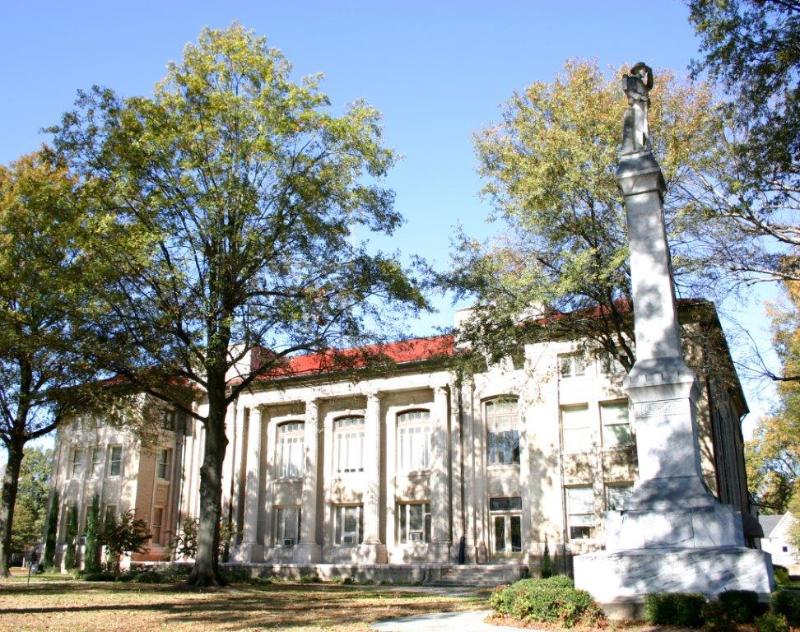
Bolivar at Cleveland – Beverly Kraft
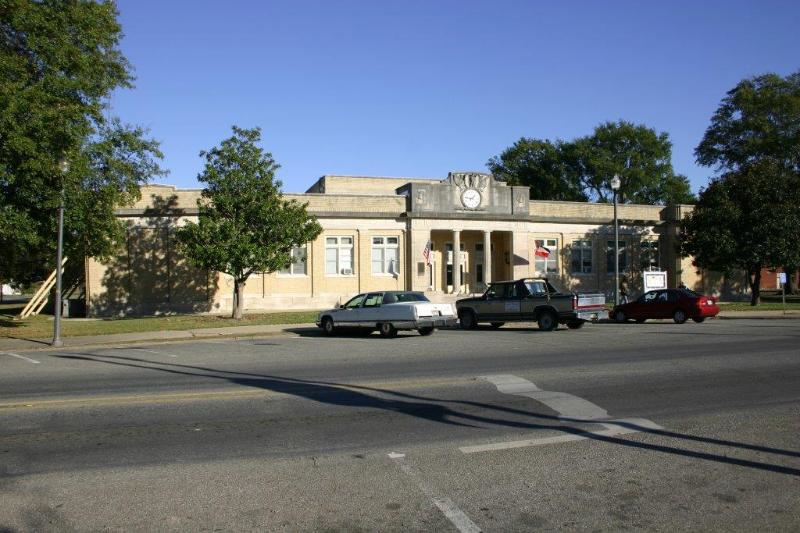
Bolivar at Rosedale – Beverly Kraft
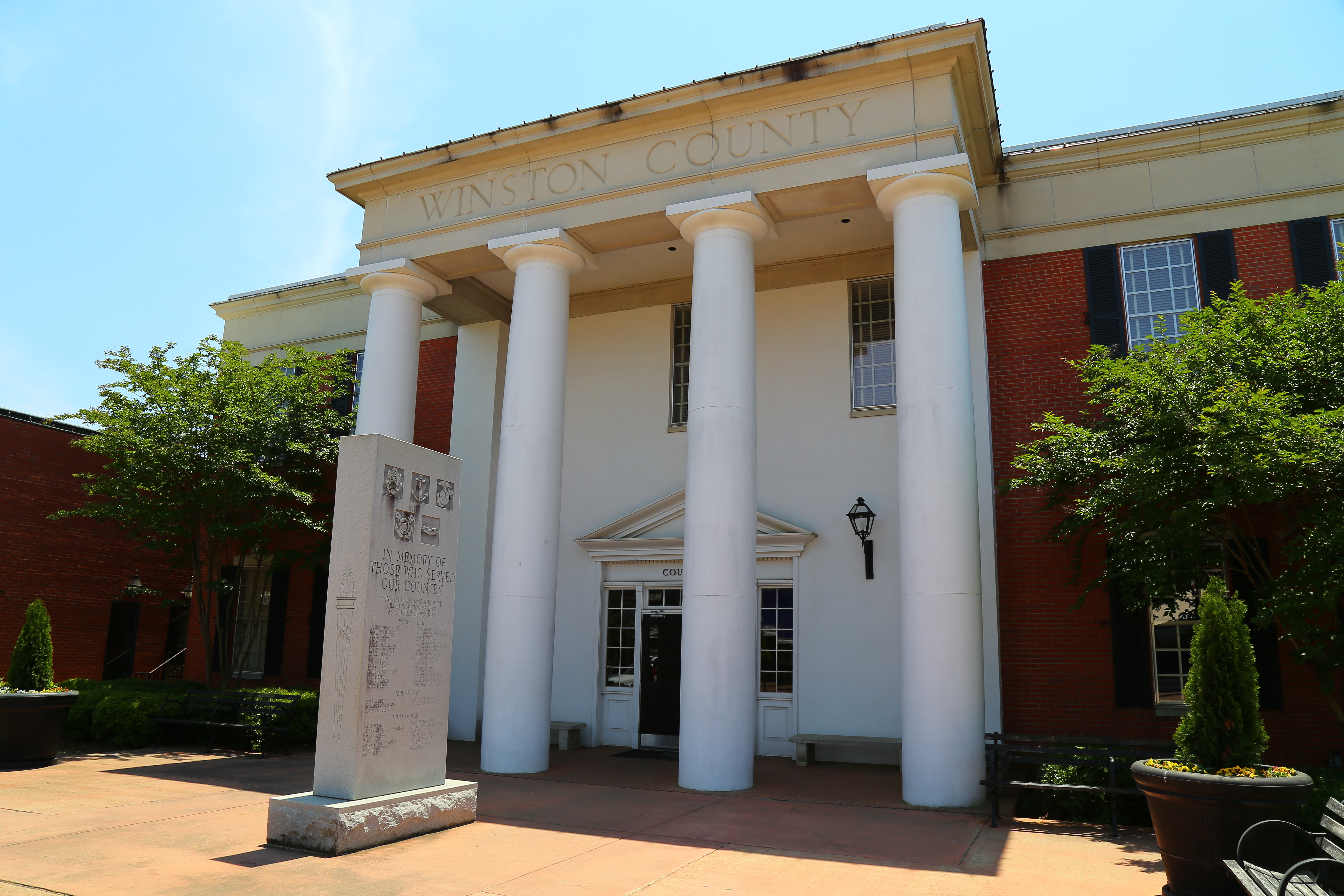
Winston – LP
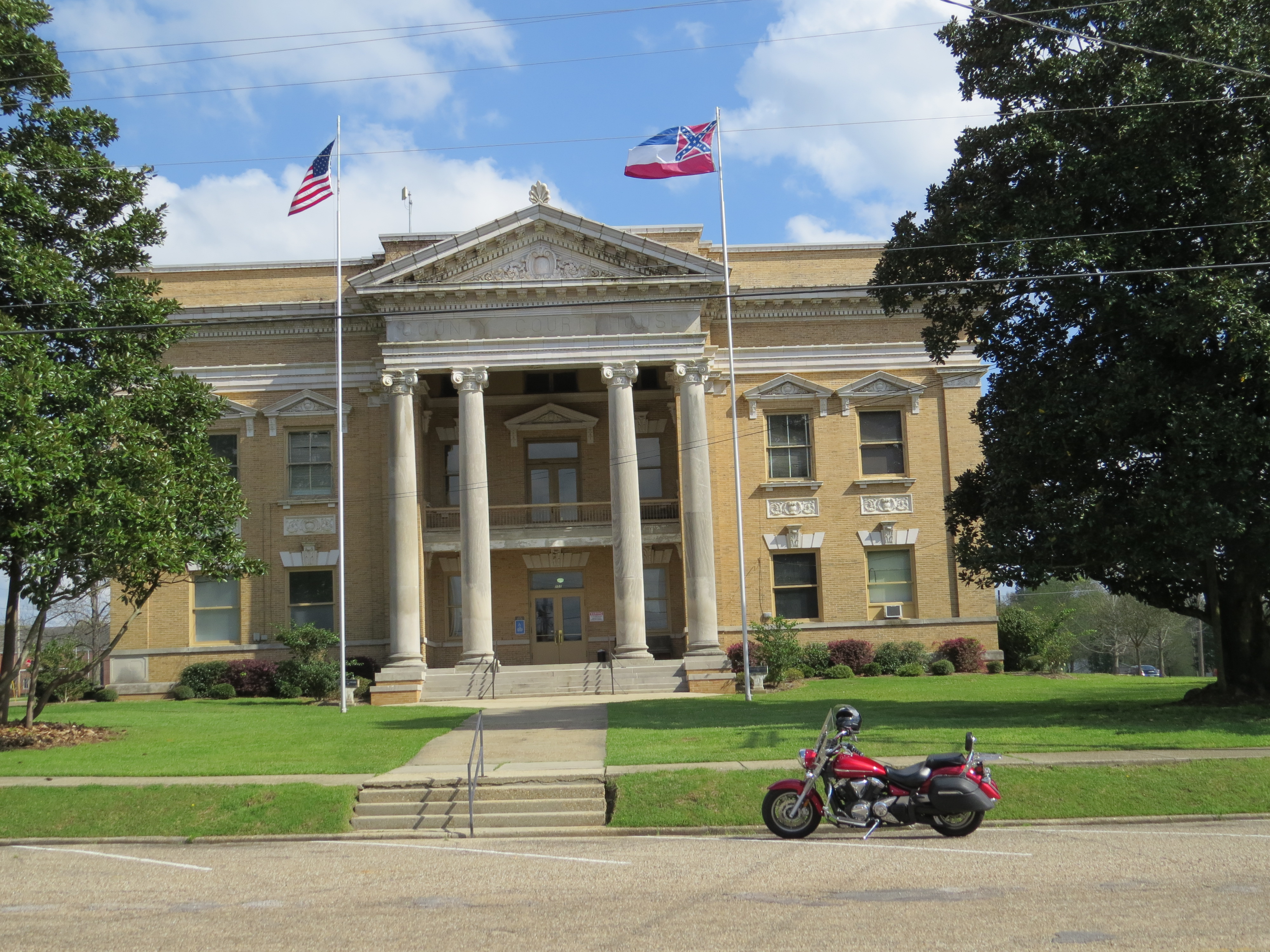
Jones at Ellisville – Kathy Wilkinson
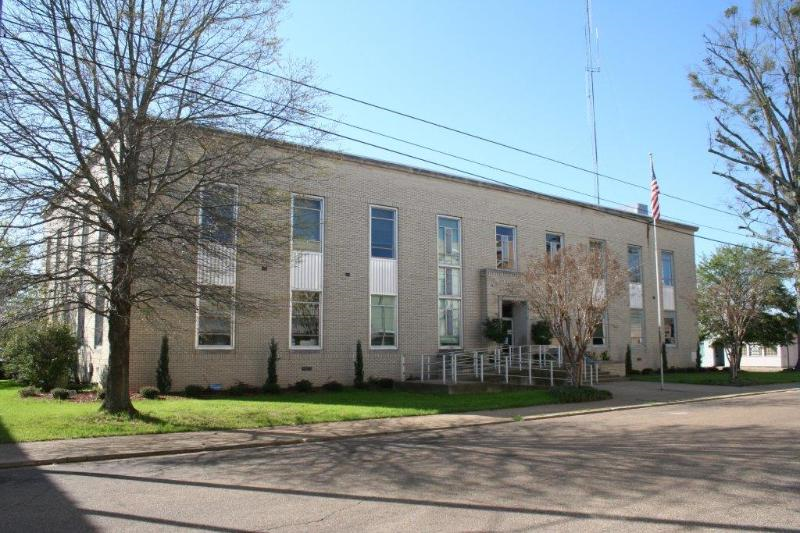
Clay – Beverly Kraft
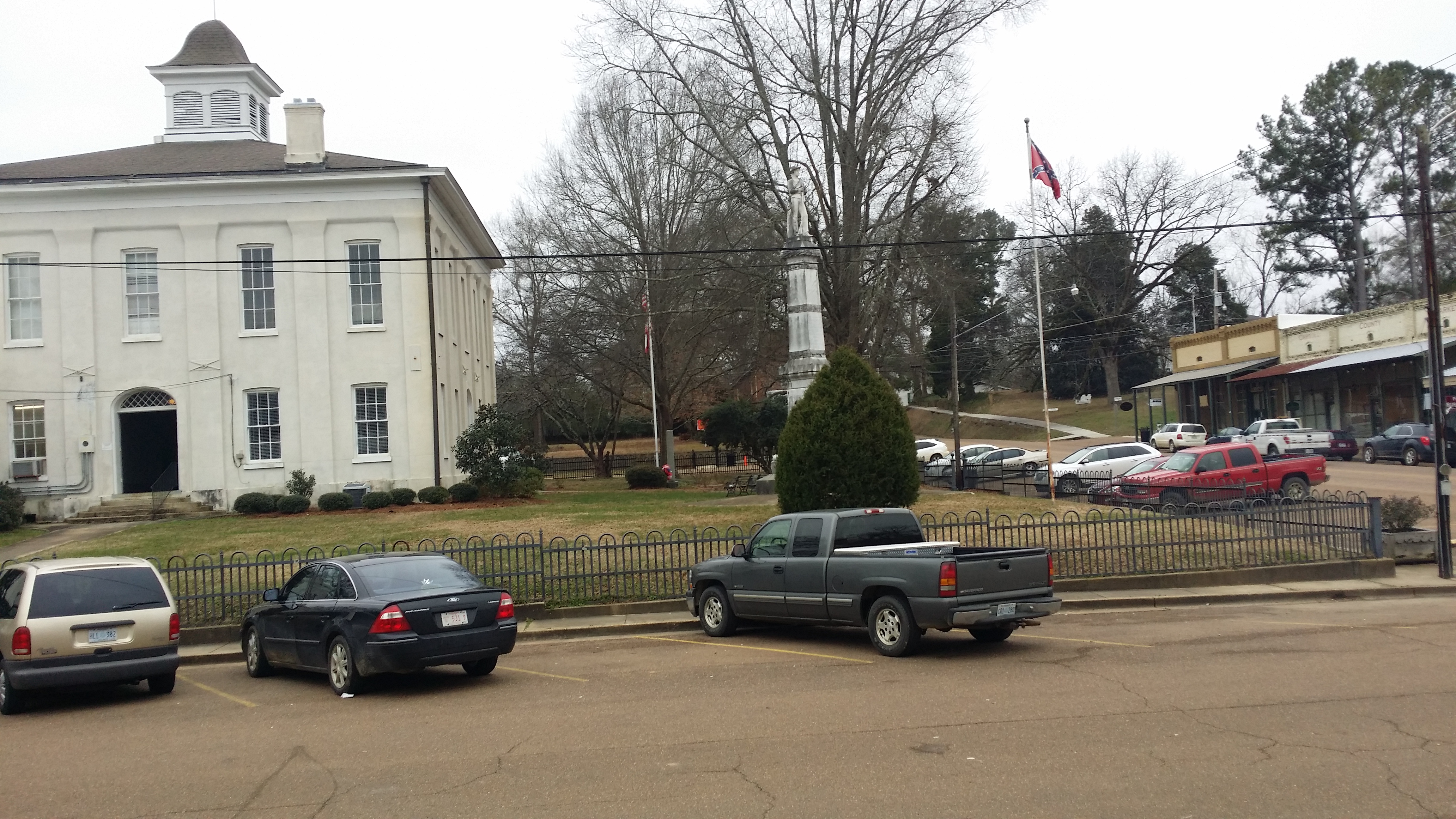
Carroll at Carrollton – Glenn Huggins
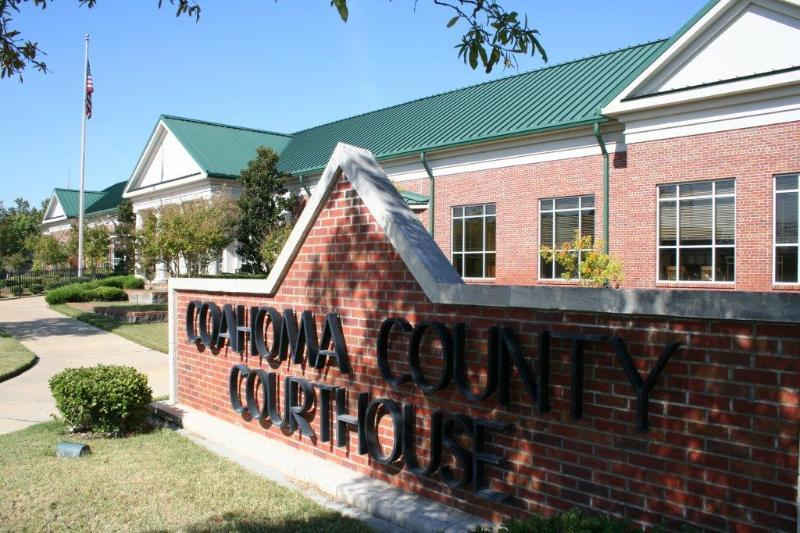
Coahoma – Beverly Kraft
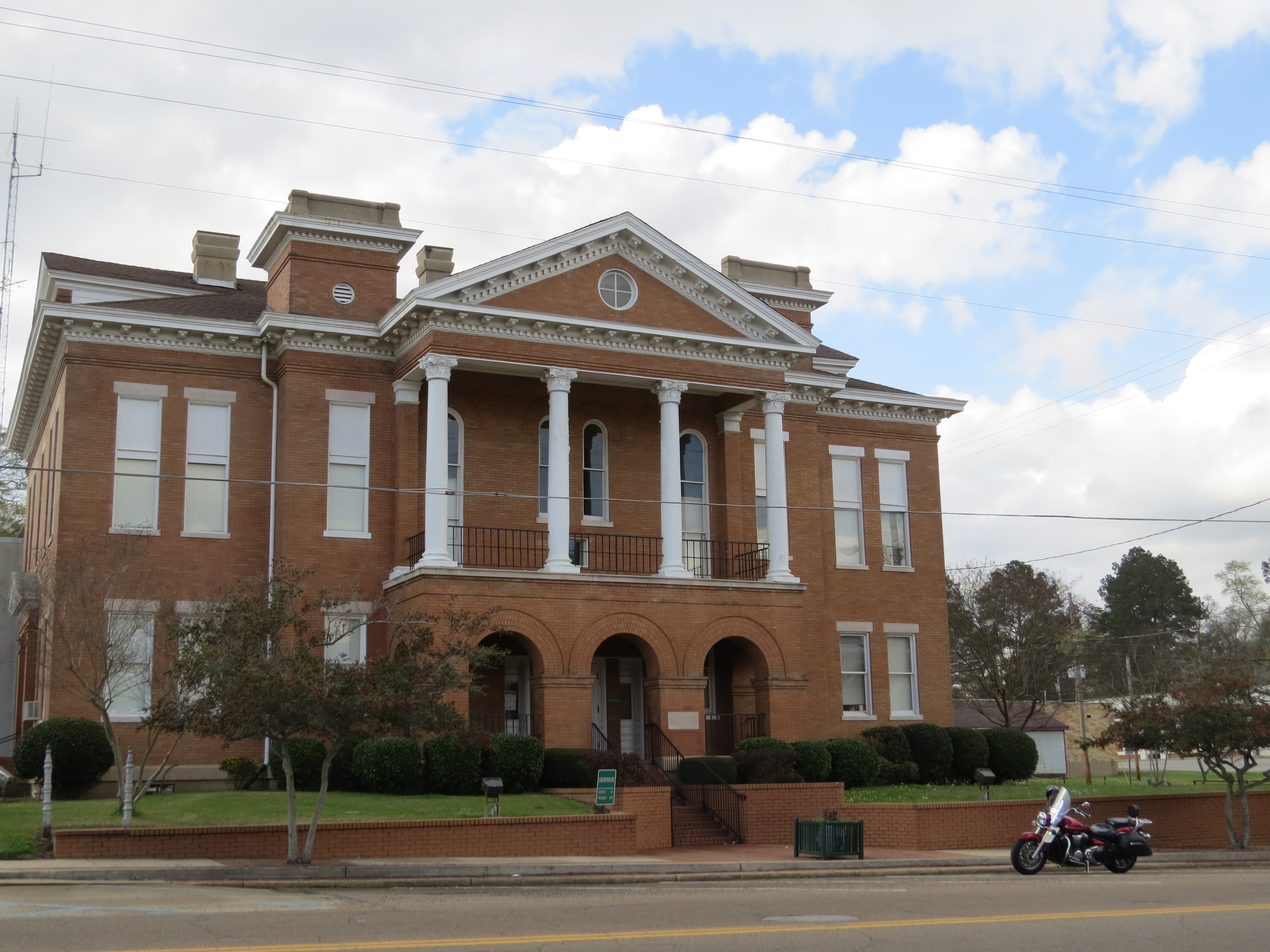
Jefferson Davis – Kathy Wilkinson
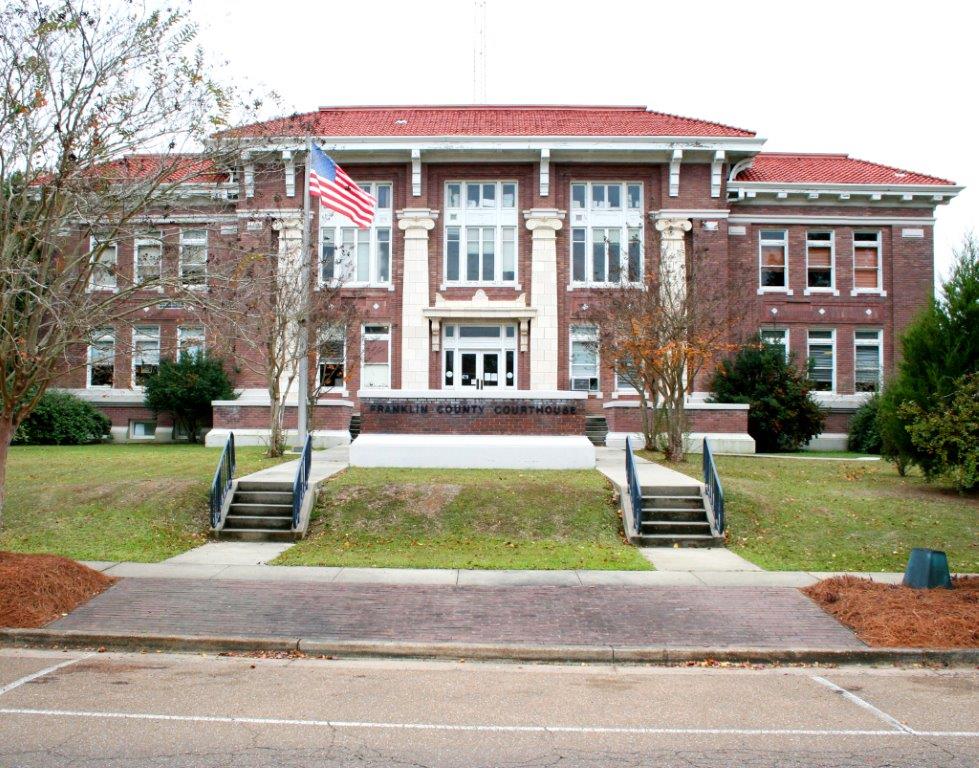
Franklin – Beverly Kraft
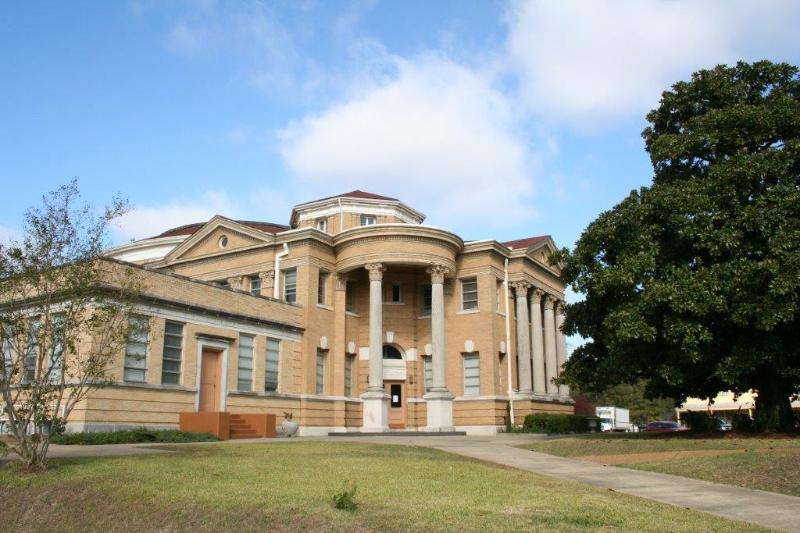
Copiah – Beverly Kraft
Happy Birthday to BCPB
June 15, 2015 § 14 Comments
Sunday marked the fifth anniversary of this blog.
The birthday party was pretty wild, with cake, ice cream, punch, bubbly, clowns (always lurking around here), bouncy house, slip-n-slide, and a few sets by St. Paul & the Broken Bones. The crowd didn’t finally disperse until police broke it up around 2 am.
Not really. It was an ordinary dull (hot) Sunday around my house.
So, what is the sum of these past 5 years vis a vis this blog?
- This is the 1,411th post. I wondered when I started this whether I would still have anything to say after a few months.
- There have been 2,944 comments. Thank you, thank you, thank you. I wanted from the start to generate some comments and helpful observations.
- There are now 480 followers by email. That’s a lot, as far as I am concerned, and I think there are many other readers who don’t follow via email.
- I hear from all areas of the state from lawyers, and even judges, who have used this as a resource.
The fundamental goal when I set out was to begin compiling material to which legal professionals could come to find answers to basic questions, practice tips, and ideas to improve representation of clients. I think I’ve been successful to a degree.
I’ve always saved major changes and new directions for anniversary dates, and this year will be no exception. On past anniversaries, I changed the name of the blog, changed its focus, and revamped its appearance.
I’ve also always used the anniversary as a re-commitment for another year.
So here’s what’s coming this time:
- I’m going to follow the lead of the saner bloggers who went before me and relax my regimen of a post a day, M-F, a pace that can get somewhat hairy at times with all of one’s other demands. So you might see anywhere from one to five posts in a given week, and, occasionally, none. I encourage to you to “follow” the blog via email by clicking on the window and entering your email address on the computer version; that way, you’ll get notice via email when there is something to read.
- All of the archived content will remain in place. Change in frequency of posts won’t affect that.
That’s all for now. I will continue into the foreseeable future. I hope this continues to be a useful resource.
“Quote Unquote”
June 5, 2015 § Leave a comment
“There is no true justice unless mercy is part of it.” — The Zohar
“We need to forgive and be forgiven every day, every hour increasingly. That is the great work of love among the fellowship of the weak that is the human family.” — Henri J.M. Nouwen
“If we had no faults of our own, we should not take so much pleasure in noticing those in others and judging their lives as either black or white, good or bad. We live all our lives in shades of gray.” — Shannon L. Alder
Status of the Courthouses Project
May 28, 2015 § 5 Comments
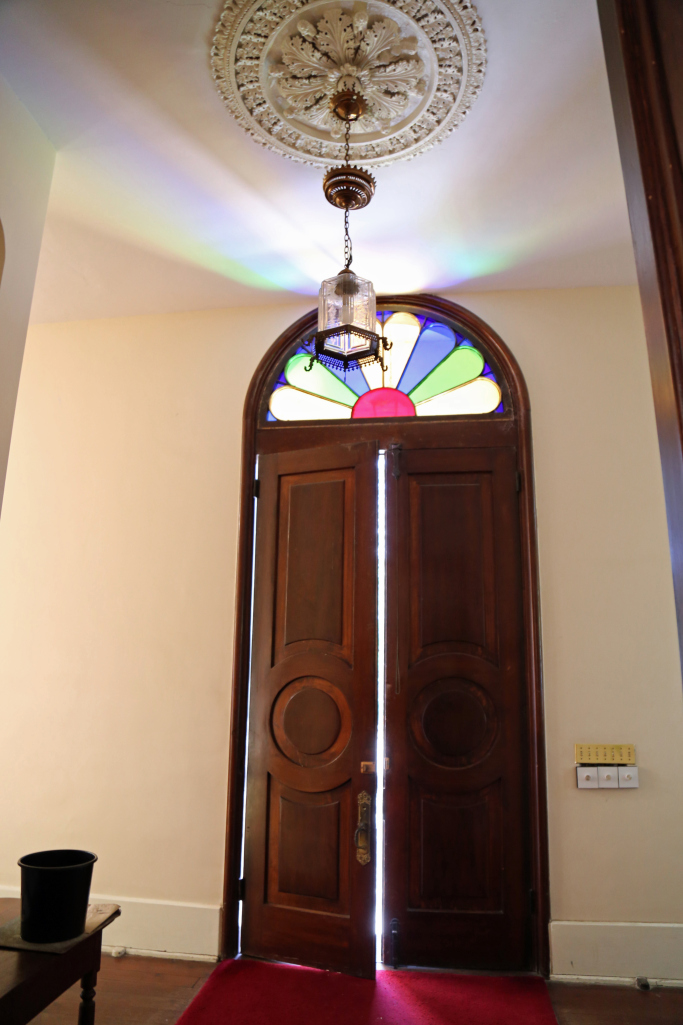
We are moving along in our quest to publish photos of all the courthouses and chancery buildings in the State of Mississippi. So far we’ve published 48 courthouses and a few separate chancery buildings. That means we’re about half-way to being done.
Here are the courthouses that have not yet been published, and for which I do not have a photo in stock:
NOTE: Updated through June 12, 2015 …
Bolivar at Rosedale, Clay, Copiah, Franklin, Jefferson, Lawrence, Lee, Lincoln, Marshall, Oktibbeha, Panola at Sardis, Pike, Pontotoc, Prentiss, Sharkey, Tate, Tishomingo, Walthall, Warren, Washington, Wilkinson, Yazoo.
You can add to the collection next time you’re around your friendly, neighborhood courthouse. Simply snap a photo with your smart phone and email it to me. The instructions are at this link.
Reprise: Avoiding an Expensive Error
May 27, 2015 § Leave a comment
Reprise replays posts from the past that you may find useful today.
AVOIDING AN EXPENSIVE ERROR
October 12, 2010 § Leave a comment
Imagine having this nightmare:
You represent the husband. He has $376,000 in his securities account. You negotiate a property settlement agreement by which the wife will receive $203,200 from the account, and he will own the remaining $172,800. Couldn’t be plainer or more clear-cut. A few months drag by before you finally get the QDRO drafted and approved by the court. You ship it off to the plan manager, who calls you and tells you that the account is now only worth $204,000, and what exactly is it that you would like her to do. At this point in the nightmare, you wake up in a cold sweat.
Unfortunately for the parties in In re Dissolution of Marriage of Wood, 35 So.3d 507 (Miss. 2010), the nightmare was all too real. The facts set out above are the facts in their case. The former Mrs. Wood sued to collect her entire amount due under the agreement, and Mr. Wood took the position that sticking with the numbers in the property settlement agreement was an impossibility, and to grant Mrs. Wood her relief would produce an unfair and inequitable result.
Chancellor Dorothy Colomb ruled that the parties had actually negotiated an agreement whereby Mrs. Wood would receive 54% of the account balance at the time of the divorce, and Mr. Wood would receive 46%.
In affirming the chancellor, the Supreme Court addressed valuation dates, impossibility of performance and canons of construction. You can read the decision to get an appreciation for the complexity of legal issues that the draftsmanship created in this case.
The cardinal point for practitioners, however, is best summed up in the court’s own language at page 515:
“As this case illustrates, incorporating an estimate of an asset’s value into a property settlement agreement can cause problems when the parties later try to divide the asset, and the estimate turns out to be incorrect or inaccurate. Therefore, we make the following recommendations for the benefit of the bar. Where the value of an asset must be estimated because of the inherently indefinite or fluctuating nature of the asset itself, we recommend the use of percentages when setting forth the asset’s intended distribution in a property settlement agreement. Where the value of an asset remains sufficiently concrete or static, however, we recommend the use of specific dollar amounts.”
Mrs. Wood expected to get $203,000, and that’s what she negotiated for. Instead, she got $110,160, or $93,000 less than what she expected. The lesson is to think about what you’re doing and what could or might go wrong, and how you can guard against it.
That Sinking Feeling
May 11, 2015 § 2 Comments
Most old adages stick around for centuries because they have at their heart a kernel of truth. Sayings like “You can’t tell a book by its cover,” and “The early bird gets the worm” ring true because they are true. Trite and true.
Another old saying is, “A boat owner’s two happiest days are (1) the day he buys the boat, and (2) the day he sells it.”
We can now add a corollary to (1) above: “the day he buys the boat … unless the Mississippi Department of Revenue (MDOR) demands payment of use tax.”
Vincent Castigliola, Jr., a Pascagoula lawyer, thought he had had his happiest day when he bought a yacht in Florida from Mark Fallon, an Ohio individual who was not engaged in the boat trade, but who had marketed the boat through a boat marketing service. Vincent undoubtedly was happy until the killjoys from the MDOR showed up and demanded that he fork over another $7,588 in use taxes for the transaction. This, I am sure, made Vincent unhappy, boat and all.
Use taxes, as I am sure you know, are paid on purchases of personal property from a dealer in another state when that personal property is used in Mississippi. A boat bought from a dealer in Florida and brought to Mississippi incurs a use tax. A computer bought from Best Buy in Baton Rouge and brought to Mississippi incurs a use tax. And so on. The rule is that if the transaction would have borne sales tax in Mississippi if it occurred here, it incurs use tax if it took place in another state. Casual sales between individuals not operating as dealers, incur neither sales nor use tax.
Vincent exhausted his administrative remedies and appealed to chancery court. MDOR filed for summary judgment claiming that Vincent could not meet his burden of proof that he was entitled to the exemption, and that the transaction was between a dealer and Vincent.
The chancellor granted summary judgment in favor of MDOR, and Vincent appealed.
In the case of Castigliola v. Mississippi Dept. of Revenue, the MSSC reversed and rendered, the opinion by Chief Justice Waller holding that it was the MDOR’s burden to prove that the transaction was subject to the casual-sale exemption, and that the purchase was not subject to Mississippi use tax. The decision was unanimous, with Justice Randolph not participating.
You can read the opinion for yourself. There is an interesting discussion of the distinction between exclusions and exemptions. In all, it’s an interesting read.
And it’s a victory of sorts for taxpayers, not to mention attorneys who aim to be happy boat owners.
New Laws that may Impact Your Chancery Practice
May 5, 2015 § Leave a comment
The legislature enacted some laws in the recently-completed session that might affect your practice in chancery court. I may have comments on some of them later, but for now here is the list:
- HB 153: “MS Uniform Statutory Rule Against Perpetuities.” create. 03/23 Approved by Governor.
- HB 177: Courts; prohibit from applying foreign law under certain circumstances. Approved by Governor.
- HB 272: Bad checks; include electronically converted checks and electronic commercial debits. Approved by Governor.
- HB 405: Commercial Real Estate Broker Lien Act; clarify definition of “commercial real estate” under. Approved by Governor.
- HB 556: Domestic violence; revise procedures related to. Approved by Governor.
- HB 692: Emergency Response and Overdose Prevention Act; create. Approved by Governor.
- HB 700: Estate bond requirement; authorize court or chancellor to waive. Approved by Governor.
- HB 703: Judicial redistricting; revise. Approved by Governor.
- HB 711: Landlord-tenant; provide for disposition of personal property remaining on the premises after removal of the tenant. Approved by Governor.
- HB 959: Minors; clarify appointment of guardian ad litem, enact protections for child witnesses. Approved by Governor
- HB1049: Court reporters; increase salary for those in circuit, chancery and county courts. Approved by Governor.
- SB2105: Children in custody of DHS; require notification of parents of child’s siblings in conformity with federal law. Approved by Governor.
- SB2301: Uniform Interstate Family Support Act; create (corrected). 03/17 Approved by Governor.
- SB2310: Mississippi Uniform Limited Partnership Act; revise and expand. Approved by Governor.
- SB2364: Real property liens; clarify Notice of Contest of Lien form. Approved by Governor.
- SB2390: Service of process; sheriff may retain fee for attempt to serve. Approved by Governor.
Please don’t ask me to comment on these yet. In most cases, I know as much about them as you do. I’ll post on some of them later after I have had an opportunity to read and digest them.
“Quote Unquote”
May 1, 2015 § 1 Comment
“Too often we underestimate the power of a touch, a smile, a kind word, a listening ear, an honest compliment, or the smallest act of caring, all of which have the potential to turn a life around.” — Leo Buscaglia
“This is my simple religion. There is no need for temples; no need for complicated philosophy. Our own brain, our own heart is our temple; the philosophy is kindness.” — Tenzin Gyatso, 14th Dalai Lama
“Deeds of kindness are equal in weight to all the commandments.” — Talmud

 The Better Chancery Practice Blog