Reprise: The Two Types of Lawyers
August 20, 2015 § 1 Comment
Reprise replays posts from the past that you might find useful today.
The Two Types of Lawyers
July 31, 2014 § 3 Comments
There are as many ways to categorize lawyers as there are lawyers, I suppose.
Just off the top of my head, here are a few that come to mind, presented as dichotomies: professional and unprofessional; learned and ignorant; court room and office; courtly and obnoxious; prepared and unprepared; rich and poor; pit bull and diplomat; tenacious and doormat; zealous and lazy; melodramatic and understated; scholar and street smart; and so on.
Lawyers and non-lawyers alike can come up with an almost unlimited number of similar categories.
To a judge, though, there are really only two types of lawyers: those the judge can trust, and those the judge can not trust.
If you think about it, much of our legal system rests on the trustworthiness of a lawyer in his or her dealings with the court. The judge relies on the lawyer to be candid and truthful in pleadings, evidence, legal citations, and statements.
The trustworthy lawyer never knowingly makes a false representation to the court, and promptly notifies the judge when he or she discovers that something presented proves to be untrue. He or she is timely and accurate in probate and fiduciary matters, and stays in contact with the fiduciary. The trustworthy lawyer’s pleadings are in order and are accurate. When the trustworthy lawyer cites a case, it is on point. The trustworthy lawyer distinguishes unfavorable law, and acknowledges the weaknesses of his or her case, suggesting how the court can and should address them to the client’s advantage. The trustworthy lawyer is never caught in a lie because she or he never lies. If the trustworthy lawyer has overlooked a court appointment, he or she apologizes and acknowledges the mistake, rather than fabricating a half-baked, incredible excuse. The trustworthy lawyer is in control of his or her case, and never lets a client dictate strategy and tactics. He or she will withdraw from representing a client before allowing that client put him or her in a position of dishonesty, trickery, craftiness, or misrepresentation. A trustworthy lawyer’s word is his or her bond.
A lawyer who can not be trusted is one who has proven that his or her word is worthless. The untrustworthy lawyer tells the court things that prove to be untrue, and bends the truth to the client’s advantage. His or her pleadings are full of allegations that can not be supported by any facts. The untrustworthy lawyer tries to hide the truth from the court, citing only law that is favorable, suppressing what is unfavorable. When caught in a lie, he or she persists in falsehood and makes up flimsy explanations. He or she files incorrect, incomplete and false accountings in probate matters, and regularly loses contact with the fiduciary. The untrustworthy lawyer can not be relied on to be on time or prepared; the judge worries that the client is being prejudiced by poor representation. The untrustworthy lawyer does what the client wants her or him to do, even if it is underhanded and unethical.
There are lawyers who present probate matters to me whose pleadings and orders I can skim and sign off on, confident that all is in order and proper. There are other lawyers who have proven that I must read every word and carefully consider what has been presented before I sign.
I think most reasonable people would assume that a trustworthy lawyer’s client has a head start in every case, because her lawyer is not having to overcome the judge’s skepticism about her case. Vice versa for the lawyer who can not be trusted.
The lawyer’s reputation with the court is built over time with hundreds of tiny building blocks of trust. One lie can destroy it, but so can a pattern of inaccuracies and questionable acts.
When a lawyer presents case after case as emergencies demanding urgent attention, and those cases prove to be anything but, that lawyer’s trustworthiness takes a hit.
When a lawyer’s accountings in probate matters are full of inaccuracies and miscalculations, and loses track of the fiduciary, that lawyer’s trustworthiness takes a hit.
When a lawyer files motion after motion asking the court to address minutiae and praying for sanctions to rain down on the opposition, that lawyer’s trustworthiness takes a hit.
When a lawyer wastes the court’s and everyone else’s time with frivolous matters that have no chance of success, that lawyer’s trustworthiness takes a hit.
Your reputation for trustworthiness with the court is like a treasure of precious gold. If you spend it wisely and build on it, it will stand good for you the length of your career. If you squander it over time on trifles, or blow it all in one monumentally bad act, it is gone, and you may never get it back. It’s your choice to make.
R.I.P. Chancellor Ed Prisock
July 31, 2015 § 1 Comment
Retired Chancellor Ed Prisock of Louisville died Thursday, July 30, 2015.
What, Me Argue?
July 23, 2015 § 2 Comments
Top Ten Reasons why lawyers don’t request oral argument on appeal, per Anderson.
Of the 34 or so appeals in which I was involved while practicing law, I never argued a case before the MSSC or COA. Anderson’s reason 8 pretty well sums up my thinking on the point. To be honest, though, some of those other reasons applied in some of my cases. Your mileage may vary.
Addressing the Disconnect
July 9, 2015 § 1 Comment
The MSSC is soliciting comments on an important proposed amendment to MRE 802 and the comment to MRE 804 . You can find the proposed rule and comment changes at this link.
These changes address the current inconsistency between MRCP 32 and MRE 802. MRCP 32(a)(3)(E) makes it possible to offer the testimony of a “medical doctor” via deposition instead of by personal appearance, but MRE 802 does not allow for its admissibility unless the physician meets one of the enumerated exceptions, and mere physicianhood is not one of them. The MRE prevails, though, because MRE 1103 states that “All evidentiary rules, whether provided by statute, court decision or court rule, which are inconsistent with the [MRE] are hereby repealed.”
We’ve posted about this problem here before. That previous post spells out how lawyers got caught in the gap between the two rules and wound up getting hurt. You don’t want something like that to happen to you.
Reprise: Lost Wills
June 25, 2015 § 2 Comments
Reprise replays posts from the past that you might find useful today.
LOST WILLS
January 5, 2011 § 3 Comments
Does it ever happen to you that an heir shows up in your office and says something to the effect that “Mom says you kept the original of dad’s will. All we have is this [dogeared, coffee-stained, footprinted] copy,” and hands you a bedraggled handful of papyrus? Well, if it hasn’t, it will.
Of course, you did not retain the original [for you younger attorneys: NEVER keep the original of your client’s will]. So what will you do with this forlorn sheaf?
You will probate it. Yes, probate it. But it’s only a copy, you say; and the original will is required to be produced (See, MCA § 91-7-5, -7 and -31). True. But it is possible to probate a lost or destroyed will.
In the case of Estate of Mitchell, 623 So.2d 274, 275 (Miss. 1993), the court said:
The law regarding admission into probate of a lost will is discussed at length in Warren v. Sidney’s Estate, 183 Miss. 669, 184 So. 806 (1938). Sidney’s Estate sets forth the elements necessary to probate a copy of a lost will are: (1) the proof of the existence of the will; (2) evidence of its loss or destruction; and (3) proof of its contents. Sidney’s Estate, 183 Miss. at 675-76, 184 So. at 807. A fourth element has been added: (4) that the testator did not destroy the will with the intent to revoke it. Robert A. Weems, Wills and Estates § 7-17, p. 216 (1983). This last element, which is most central to this case, arose from the theory that when a will cannot be found following the death of a testator and it can be shown that the testator was the last person in possession of the will, there arises a rebuttable presumption of revocation.
Where a will which cannot be found following the death of the testator is shown to have been in his possession when last seen, the presumption is, in the absence of other evidence, that he destroyed it animo revocandi … 57 Am.Jur., Wills, § 551. Adams v. Davis, 233 Miss. 228, 237, 102 So.2d 190, 193 (1958); Phinizee v. Alexander, 210 Miss. 196, 200, 49 So.2d 250, 252 (1950); Horner, Probate Prac. & Est. § 79 (4th ed.). This presumption extends to all duplicate copies, even executed duplicates. Adams, 233 Miss. at 237, 102 So.2d at 194; Phinizee, 210 Miss. at 199, 49 So.2d at 252; Horner § 79.
The proponent of the will must prove each of these elements by clear and convincing evidence. See Estate of Leggett v. Smith, 584 So.2d 400, 403 (Miss.1991); Estate of Willis v. Willis, 207 So.2d 348, 349 (Miss.1968); Adams, 233 Miss. at 237-38, 102 So.2d at 194. (“The intent to revoke must appear clearly and unequivocally.” Sidney’s Estate, 183 Miss. at 676, 184 So. at 807. “The policy of the law requires such contents to be established by the clearest, most convincing and satisfactory proof.” Robert A. Weems, Wills and Estates § 7-17, p. 216 (1983).
Your petition will have to recite on personal knowledge of the petitioner, or supported by affidavits on personal knowledge, all four of the required factors.
You should probate the lost or destroyed will in solemn form. To do otherwise gives an unfair advantage to the proponent of the missing document. Probate in solemn form also seals off the protests of other interested parties and, as a practical matter, takes you directly to the hearing with notice that you will likely wind up in anyway.
At hearing, you will need to prove your four elements by clear and convincing evidence.
- Proving the existence of the will is not usually much of a problem. You will have that copy, or, if no copy is available, someone with personal knowledge can testify that the will did exist. MRE 1001-1008 would appear to govern the issue. As Rule 1008 states, the issue is for the trier of fact to determine.
- Loss of the will can be proven by testimony that the decedent kept his or her papers in a particular place and that an exhaustive search has not turned it up, or that the cabinet where the will was kept was destroyed by fire, or that it was in a repository that has now vanished.
- The “Dead Man’s Statute” has been supplanted by MRE 803(3), so proof of its contents should not be a major obstacle, so long as there is a witness with personal knowledge.
- And the same hearsay exception would apply to the testator’s destruction or intended revocation.
An interesting wrinkle appears in an ancient case, Vining v. Hall, 40 Miss. 83 (Miss. Err. & App. 1866), that is still good law. In Vining, there was conflicting and inconclusive testimony about the contents of the lost or destroyed will, but no disagreement that it included a revocation clause expressly revoking all prior wills. The court held that the revocation clause was effective despite the fact that the dispositive terms of the will could not be determined. See, Weems, Wills and Administration of Estates in Mississippi, Third Ed., § 7.15.
Courthouses Yet to be Seen
June 23, 2015 § Leave a comment
We are in the final stretch of the courthouses project.
Here are the ones for which I still do not have a photo: Tishomingo; Prentiss; Pontotoc; Marshall; Tate; Panola at Sardis; Oktibbeha; Yazoo; Warren; Sharkey; Issaquena, Washington; Jefferson; Lincoln; Lawrence; Pike; Walthall; and Wilkinson.
If you have a photo, email it to lprimeaux@Comcast.net.
The Courthouses of Mississippi
June 19, 2015 § Leave a comment
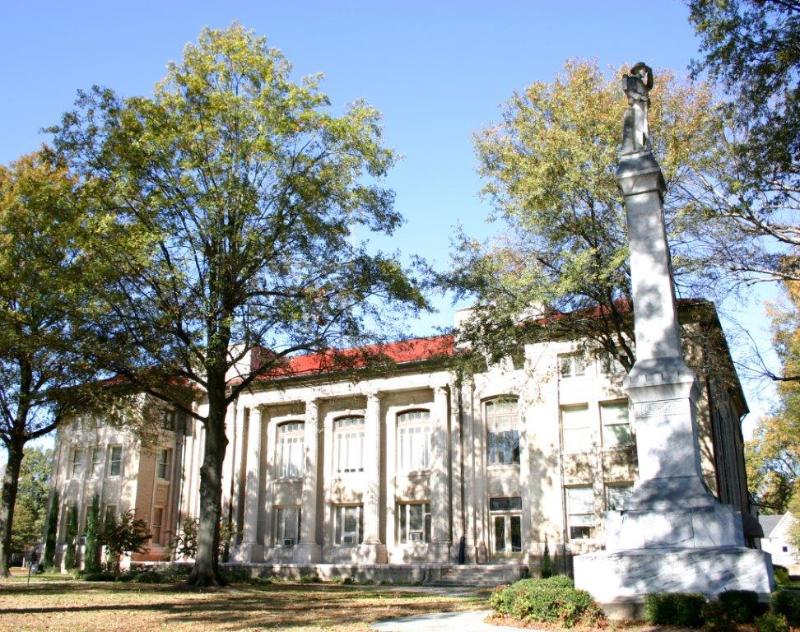
Bolivar at Cleveland – Beverly Kraft
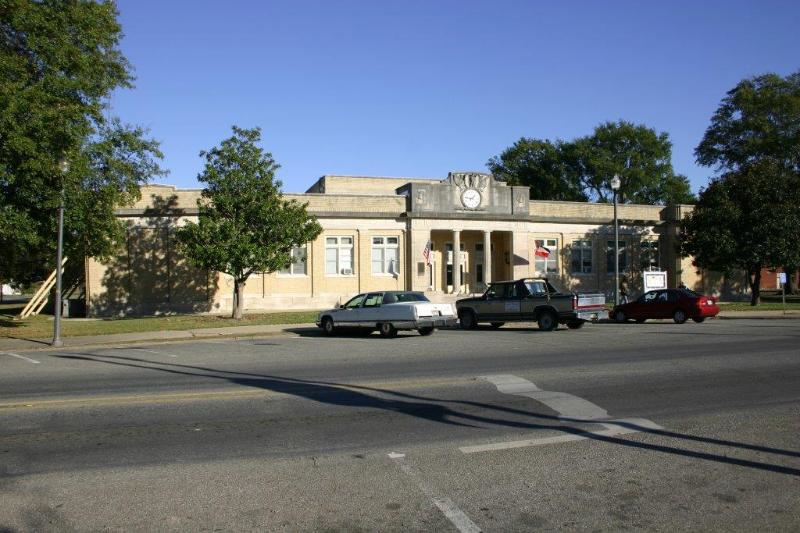
Bolivar at Rosedale – Beverly Kraft
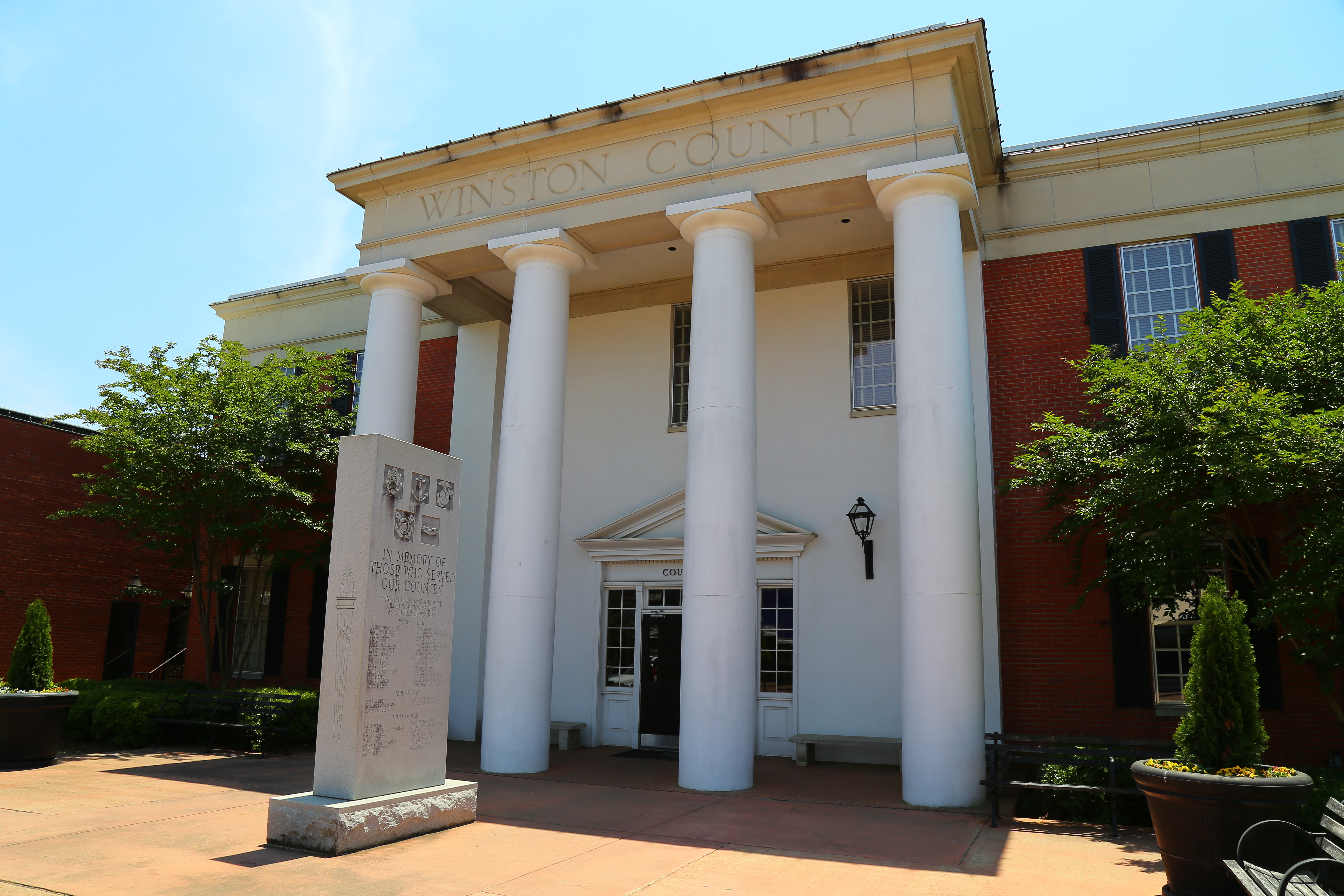
Winston – LP
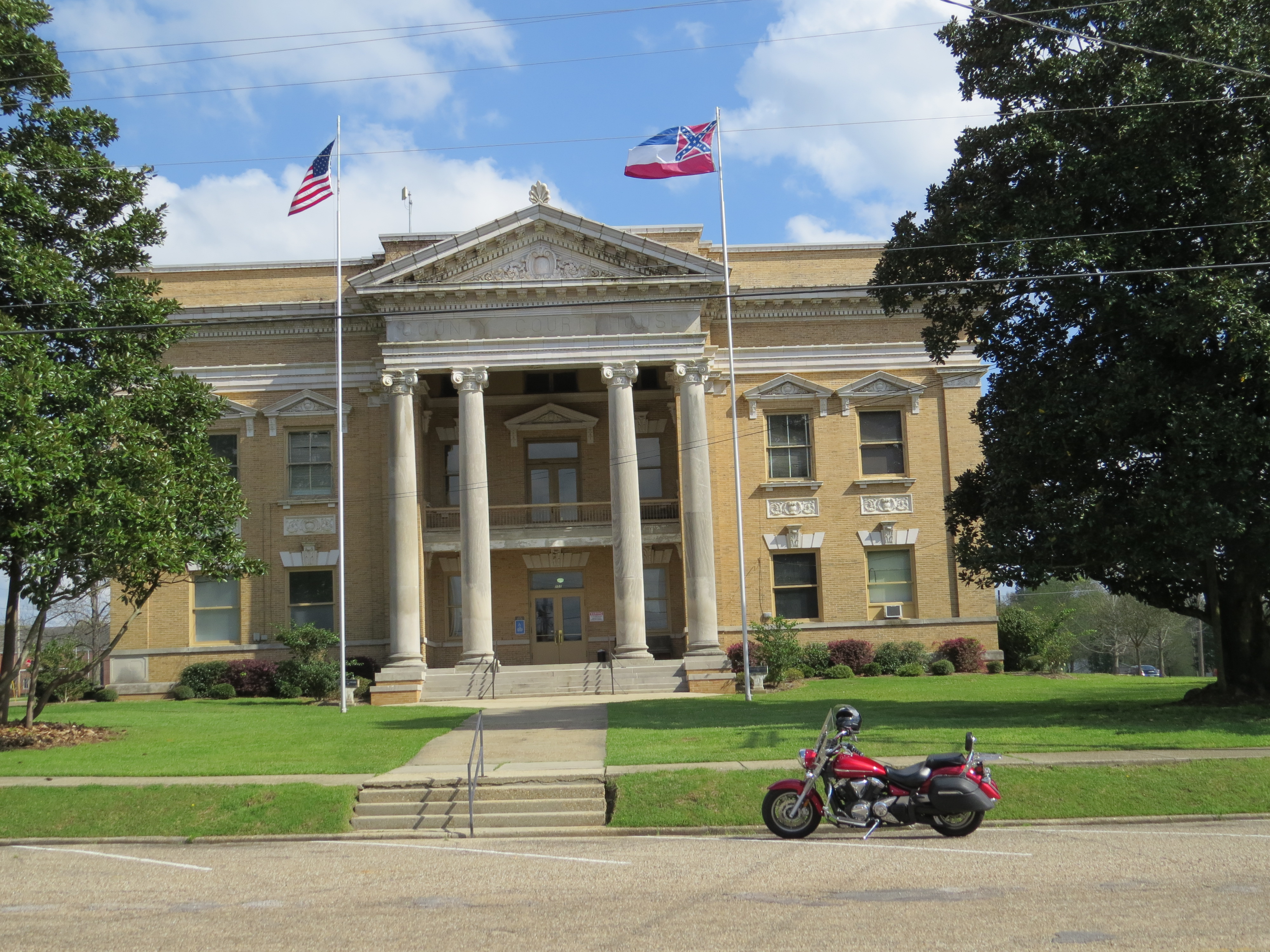
Jones at Ellisville – Kathy Wilkinson
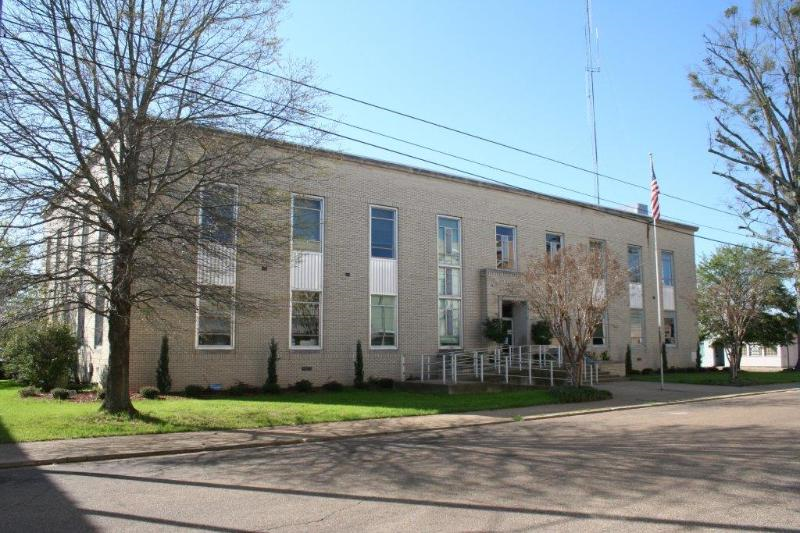
Clay – Beverly Kraft
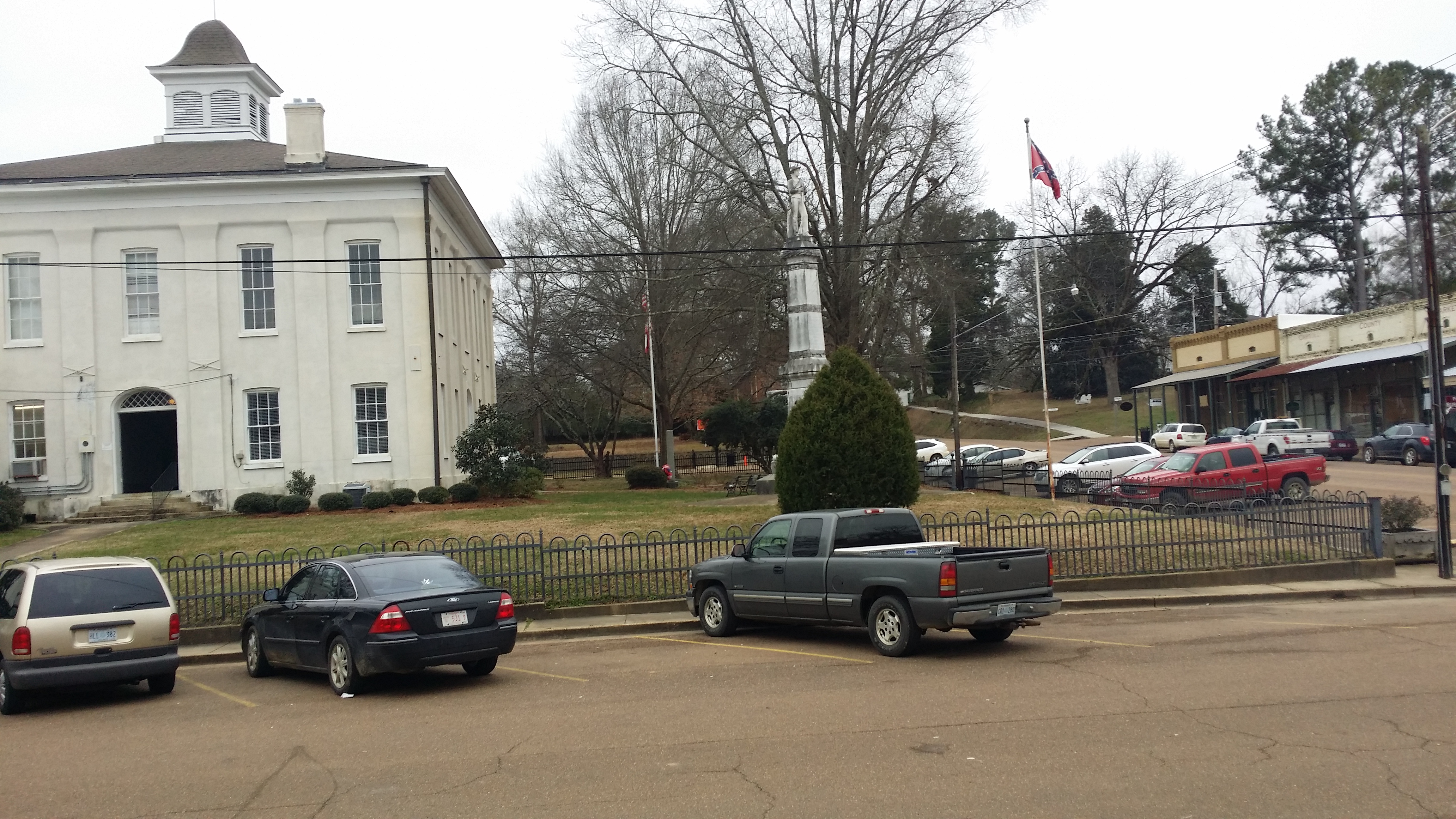
Carroll at Carrollton – Glenn Huggins
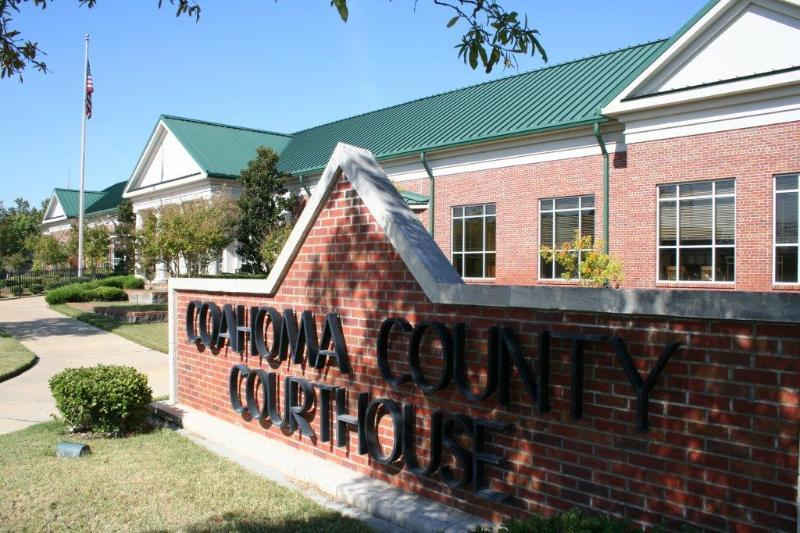
Coahoma – Beverly Kraft
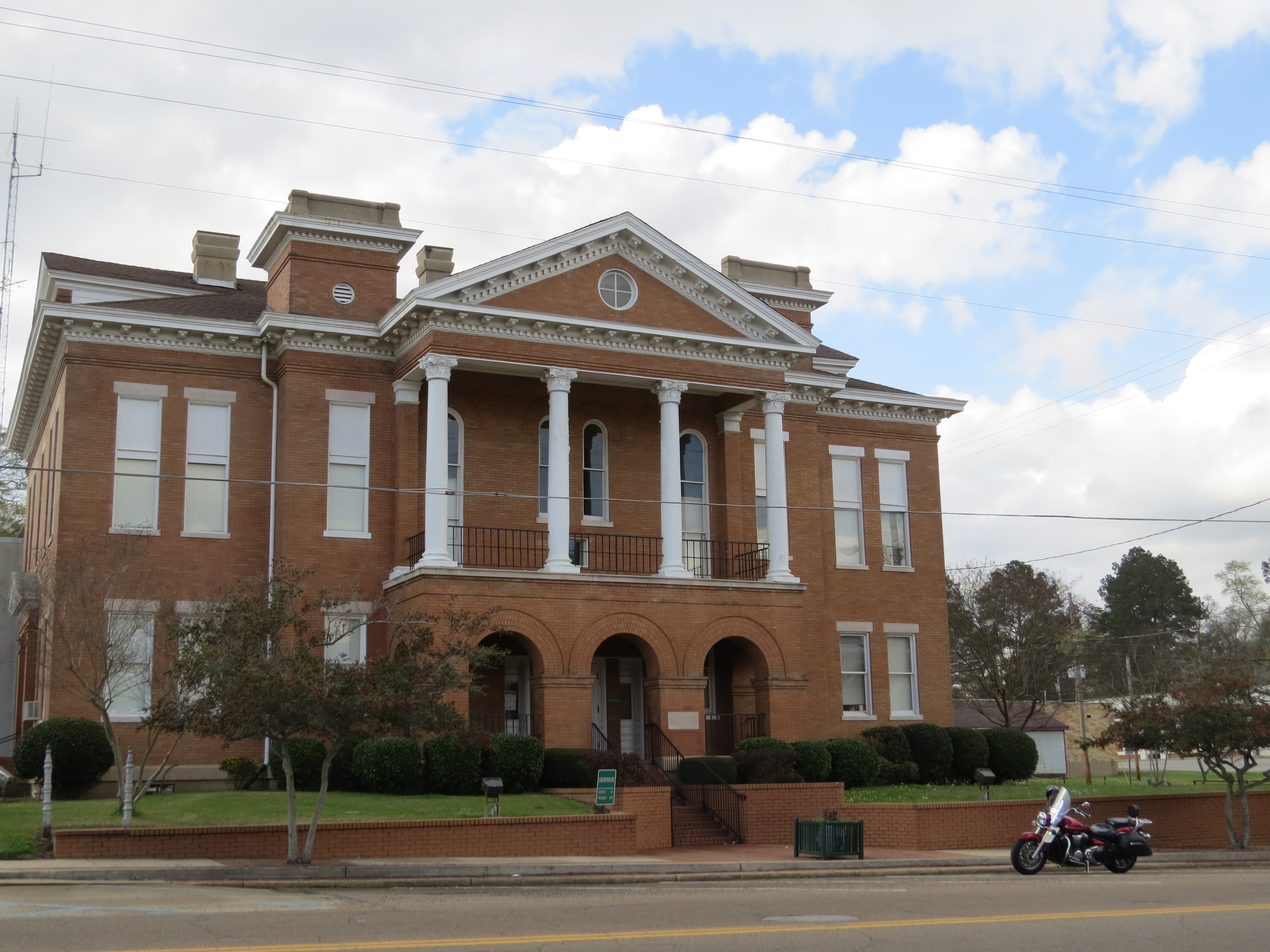
Jefferson Davis – Kathy Wilkinson
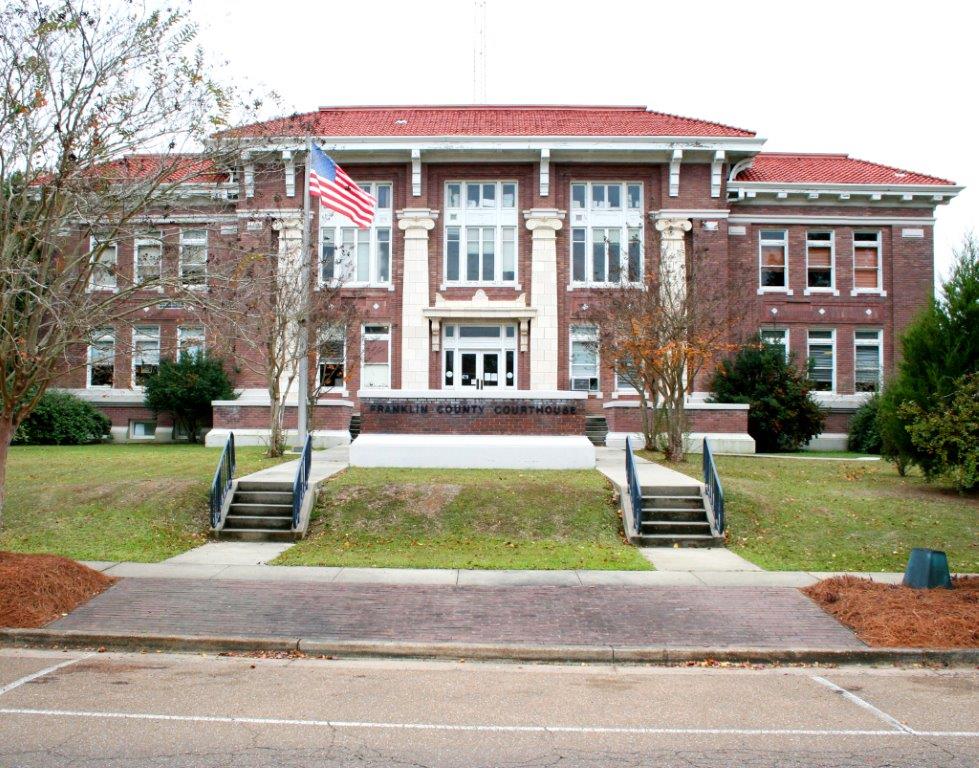
Franklin – Beverly Kraft
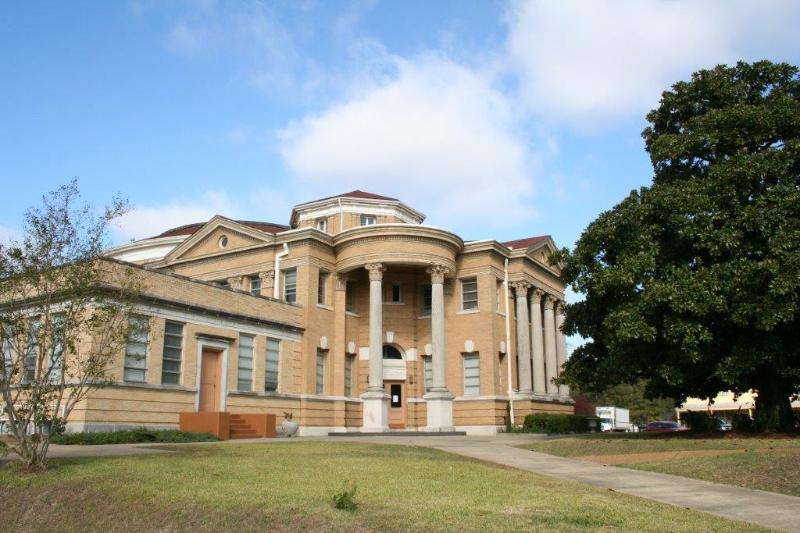
Copiah – Beverly Kraft
Happy Birthday to BCPB
June 15, 2015 § 14 Comments
Sunday marked the fifth anniversary of this blog.
The birthday party was pretty wild, with cake, ice cream, punch, bubbly, clowns (always lurking around here), bouncy house, slip-n-slide, and a few sets by St. Paul & the Broken Bones. The crowd didn’t finally disperse until police broke it up around 2 am.
Not really. It was an ordinary dull (hot) Sunday around my house.
So, what is the sum of these past 5 years vis a vis this blog?
- This is the 1,411th post. I wondered when I started this whether I would still have anything to say after a few months.
- There have been 2,944 comments. Thank you, thank you, thank you. I wanted from the start to generate some comments and helpful observations.
- There are now 480 followers by email. That’s a lot, as far as I am concerned, and I think there are many other readers who don’t follow via email.
- I hear from all areas of the state from lawyers, and even judges, who have used this as a resource.
The fundamental goal when I set out was to begin compiling material to which legal professionals could come to find answers to basic questions, practice tips, and ideas to improve representation of clients. I think I’ve been successful to a degree.
I’ve always saved major changes and new directions for anniversary dates, and this year will be no exception. On past anniversaries, I changed the name of the blog, changed its focus, and revamped its appearance.
I’ve also always used the anniversary as a re-commitment for another year.
So here’s what’s coming this time:
- I’m going to follow the lead of the saner bloggers who went before me and relax my regimen of a post a day, M-F, a pace that can get somewhat hairy at times with all of one’s other demands. So you might see anywhere from one to five posts in a given week, and, occasionally, none. I encourage to you to “follow” the blog via email by clicking on the window and entering your email address on the computer version; that way, you’ll get notice via email when there is something to read.
- All of the archived content will remain in place. Change in frequency of posts won’t affect that.
That’s all for now. I will continue into the foreseeable future. I hope this continues to be a useful resource.
 The Better Chancery Practice Blog