BIRTHPLACE OF THE BLUES
November 13, 2011 § Leave a comment
To his everlasting credit, Governor Hayley Barbour exercised his executive prerogative and installed signs at the entranceways into Mississippi with the legend, “Birthplace of America’s Music.” Indeed.
It’s no secret that Mississippi — and the Mississippi Delta in particular — is where America’s quintessential music was born, took hold, and grew into an irrepressible force. It was the blues, the music of heartfelt pain, that was born out of the oppression and destitution of a people. It was the blues that made its way down the river to New Orleans, cross-bred with barrelhouse and ragtime and grew into Jazz. Jimmie Rodgers melded the blues with the music of hill whites and gave birth to country music. The blues directly spawned rock-a-billy, rock and roll, rhythm and blues, and soul, and almost every form of popular music in the past 100-plus years has a blue tinge.
 The Land Where the Blues Began is Alan Lomax’s engrossing portrait of the Mississippi Delta, its culture and history, its blues artists, its oppression and exploitation of black people, and how this region of contradictions, savage racism, plantations, and juke joints gave rise to such formidable music.
Lomax ranged across the south from the 40’s through the 70’s, recording not only the music of original blues artists, but also their stories and recollections in their own words. The author continued the work of his father, who had begun the project in the late 20’s and 30’s.
What emerges from the stories he captured is a picture of the struggles and suffering of poor blacks in the Delta, and how they found release in music. Here are the stories of the cruel levee camps, the muleskinners, plantation life, the escape to Memphis and the factories of the north, Parchman farm. It becomes plain to the reader that the civil war did not end slavery, but merely transformed it into other forms of enforced servitude and destitution for blacks in Mississippi.
The main focus of this book, though, is the music. Lomax expertly analyzes the music’s African genes and the religious and early American musical strains that influenced and deepened it.
Lomax was a Texan who died in 2002. He is renowned as one of the great field collectors of indigenous music, particularly American music, although he did field work in Europe, the Caribbean and Africa as well. He had Mississippi roots that helped his understanding of the tortured Delta folkways. At page 186 of the book is this passage: “My father’s people were ‘peckerwoods’ from Meridian, Mississippi, ‘from the upper crust of the poor white trash,’ he used to say.”
If you want to understand Mississippi, you have to understand the blues and the music’s astonishing breadth of influence. The blues is merely one manifestation of Mississippi’s disproportionate impact on American literature, music and entertainment, dramatically belying the state’s stereotypical backwardness and reactionism. Lomax’s book is an excellent starting point.
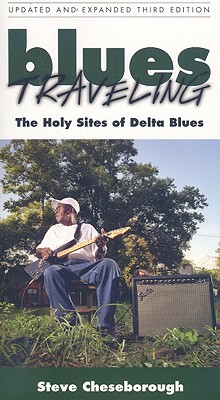 If you want to understand the blues, you have to experience the Delta. Steve Cheseborough’s Blues Travelling is a travel guide that will open doors and by-ways to the region. Here you will find the towns and villages, grave sites, joints, monuments and historic locations, restaurants, museums and venues of the blues culture. There are maps and suggestions, along with articles telling the story.
If you are a Mississippian, you can explore the Delta in several easy day trips. This book will enrich the experience for you, telling you the stories of the places and people you encounter. You will probably find yourself stopping to explore places you would have bypassed.
As a bonus, the book includes forays into Memphis, Jackson, north Mississippi, and even Meridian.
Lisa and I have found this book particularly helpful in our blues explorations. I recommend it to you.
 The Better Chancery Practice Blog